
Which documents need an apostille?
An apostille may be needed for an official document used abroad. The answer depends on…
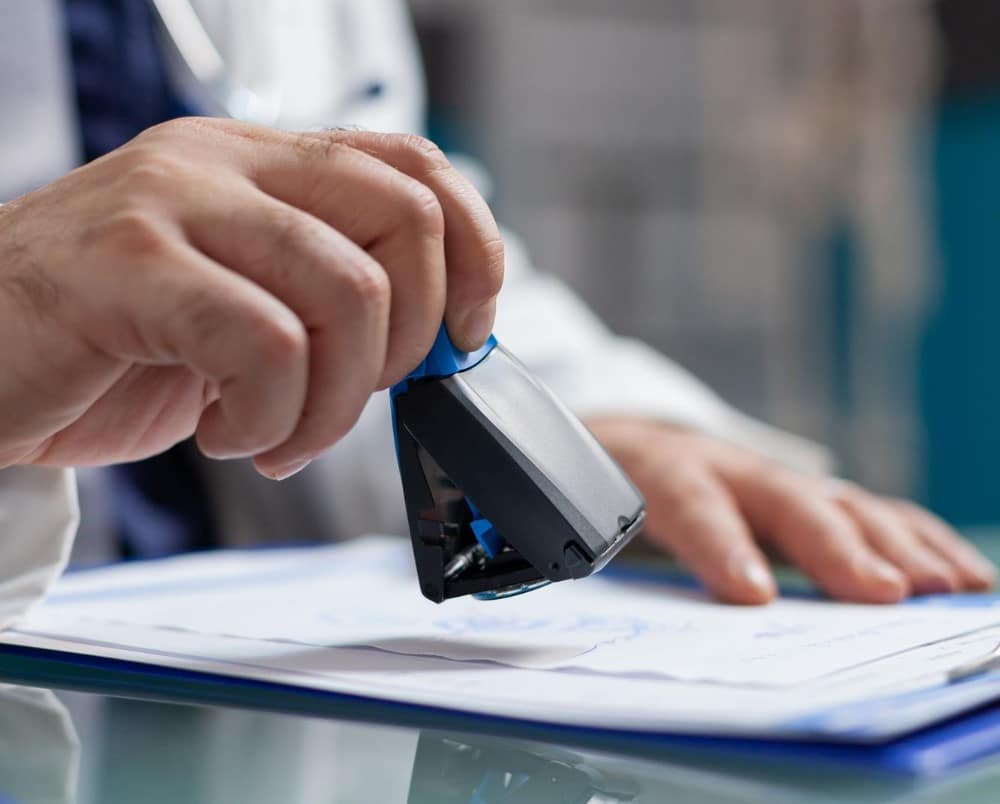
Check the destination before arranging an apostille
An apostille is a simplified form of legalisation for documents covered by the Apostille Convention. It authenticates the origin of the document, such as the signature, seal or stamp. It does not verify the document’s content or translate it.
Whether you need one depends on the issuing country, destination, document and any applicable exemption. Some public documents can be used between countries without legalisation. Ask the recipient which document and format it needs, then check the official route.
Civil status documents
Birth certificates, marriage certificates and other civil status documents may need an apostille for use abroad. Check the specific document and destination rather than assuming that every certificate needs one.
If a translation is also required, arrange it for the language and format specified by the recipient. Our document translation services can help with the translation work.
Diplomas and educational documents
A diploma or educational certificate may need authentication before an apostille can be issued. For Dutch educational documents, check whether DUO must legalise the document first. The requirements depend on the type of educational document.
An apostille and a diploma or transcript translation serve different purposes. Tell us whether you need a translation of the diploma, grades, supporting pages or the complete set.
Court documents, notarial documents and sworn translations
Dutch court judgments and orders have a specific court route: the apostille must be requested from the court that issued the decision. Other official documents can have different requirements.
Notarial documents and sworn translations can also require authentication for use abroad. The recipient’s requirements and the legalisation route determine which steps apply. Do not assume that an apostille on the source document also authenticates a separate translation.
Where the apostille must be issued
Dutch district courts issue apostilles for Dutch documents. The document needs a signature and, in some cases, prior authentication by another authority. If a foreign document needs an apostille, it must be issued by the competent authority in the document’s country of issue.
For the sequence and preparation, read how document legalisation works. If you want to compare the procedures first, see apostille or legalisation: what is the difference?.
Arrange the translation and applicable legalisation steps
Urgent Vertalen helps arrange translations and the applicable legalisation steps for Dutch documents and sworn translations made in the Netherlands. Our legalisation service gives you one team to contact about the agreed work.
Request your no-obligation quote with the document type, issuing country, destination and recipient’s instructions. We will discuss the service you need and confirm the price and timing before you decide.
Official guidance
Check whether an apostille is needed, the official Dutch document and destination guidance and Rechtspraak’s requirements for apostilles (in Dutch). The HCCH Apostille Section explains the Convention and lists competent authorities.