The history and facts of the Indonesian Language
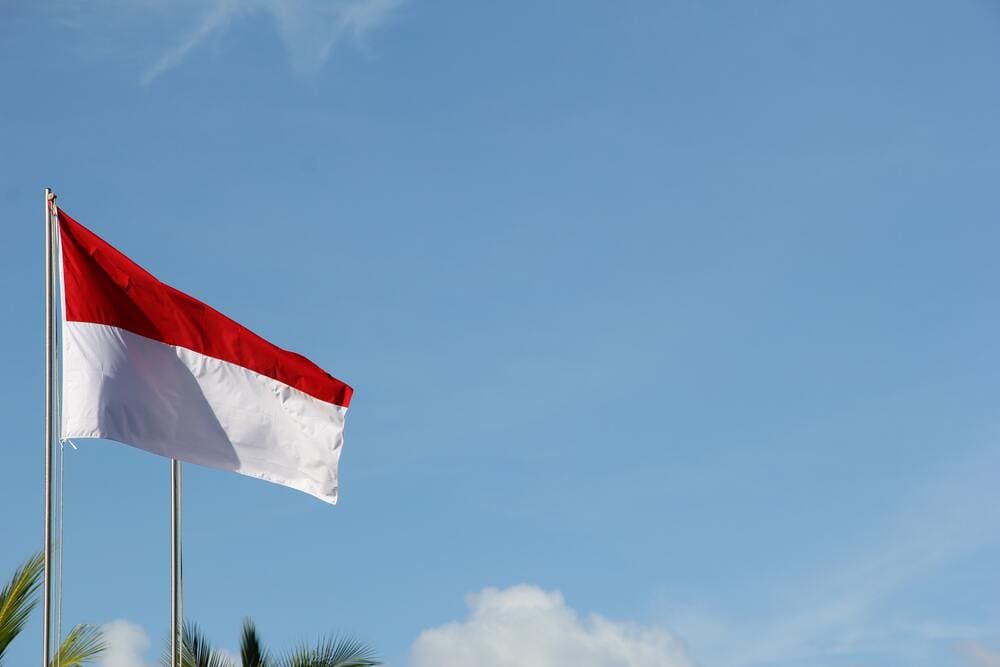
Bahasa Indonesia is the official language of the Republic of Indonesia. However, only seven percent of the population speaks it as their mother tongue; more than 300 local languages are spoken across the country. In business, governmental dialogue, and official contexts, Bahasa Indonesia is primarily used as a means of communication. The language is based on and closely related to Malay, which was spoken for centuries as a trade language. Other languages to which Indonesian is related include those spoken in Oceania and the Philippines. In addition, several languages spoken by mountain tribes in Vietnam and Cambodia, as well as the languages of Taiwan and the Malagasies of Madagascar, are also related to Indonesian. On 28 October 1928, Indonesian was proclaimed the language of a future independent Indonesia. This declaration was made by participants of the Second National Youth Congress in Jakarta, via the “Sumpah Pemuda” (Youth Pledge). Until the Second World War, Dutch was a major competitor to Standard Malay. Civil servants would speak Malay to the public, while secondary education was conducted in Dutch. In 1942, the Japanese occupiers banned the use of Dutch, which led to the breakthrough of Bahasa Indonesia as the national language. It then became the language of education, civil administration, politics, media, and literature.
In today’s Bahasa Indonesia, the influences of former colonial languages remain clearly visible, such as Dutch, Portuguese, Chinese, Hindi, and Arabic. Examples of words resembling Dutch include: polisi (police), kualitas (quality), bis (bus), handuk (towel), and kopi (coffee). The Roman/Latin script and alphabet are used in Bahasa Indonesia. There are no articles, and plural forms are typically indicated by repeating the word twice, although a singular word may also serve as a plural. In Indonesian, acronyms are frequently used. These are abbreviations formed by combining multiple shortened words into a completely new word. An example is Jakarta’s national monument, “Monumen Nasional”, which becomes the acronym “Monas”. Apart from Bahasa Indonesia, many other languages are spoken throughout the archipelago. These fall into two main groups: the Malay-Polynesian or Austronesian language family, and the non-Austronesian family. The Malay-Polynesian group includes around 250 languages, such as Acehnese, Malay, Bugis, Javanese, and Sundanese. The non-Austronesian group includes roughly 240 Papuan languages, more than a hundred of which have fewer than one thousand speakers. Each island group has its own language in addition to the national language. For instance, in Irian Jaya, 256 languages are spoken, of which West Dani, Ekari, Dani, Biak, and Sentani are the most common. The Moluccas are home to 128 languages, including Ambonese Malay (spoken by 200,000 inhabitants of Ambon), Kei (spoken by 86,000 people in the Kai Islands), and Galela (spoken by 79,000 people in North Halmahera). Sasak is spoken in Lombok, Bugis in South Sulawesi, and Minangkabau in Padang (Sumatra). With 75.2 million speakers, Javanese is the most widely spoken regional language.
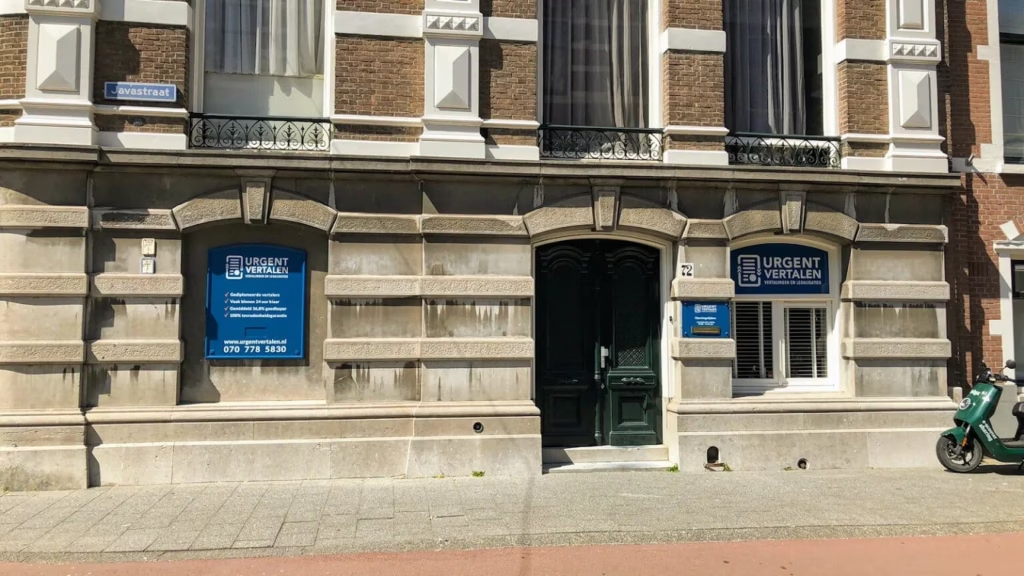
Every text is unique, which is why each translation assignment is carefully matched to the type of content. We believe it goes without saying that a native-speaker translator with sufficient experience in your field of expertise will always handle your translation. For instance, a technical translator from Dutch to Indonesian would never be assigned to a legal document. This ensures you can rely on an accurate translation from Indonesian to Dutch. As the name implies, Urgent Vertalen is an Indonesian translation agency. Because we handle Indonesian translations daily – whether sworn or standard – we have a large team of Indonesian translators at the ready. Thanks to the size and diversity of our team of sworn Indonesian translators, we are able to deliver your Indonesian translations quickly and at a competitive rate.